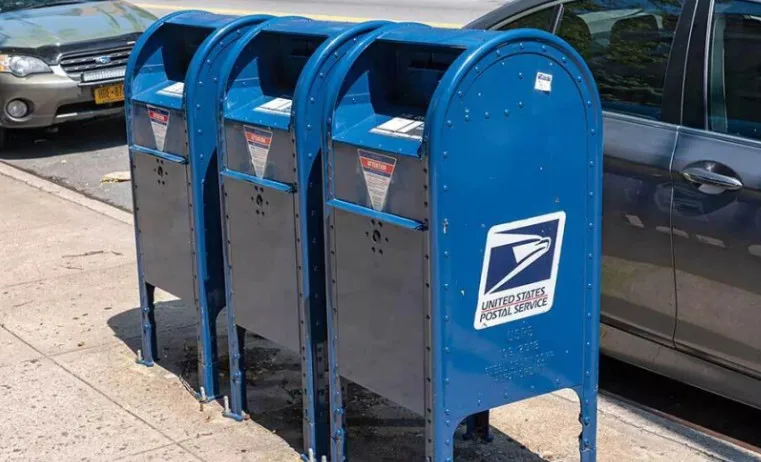
Relying on a postmark to prove a tax return or payment was timely filed may no longer work as you expect. In the past, a postmark date was generally applied the day your mail was accepted or collected, which was often the day your mail was dropped off. However, a change to the US Postal Service (USPS) system means the postmark date may no longer be the same day you mail it. They have recently clarified that the postmark is machine-applied at the regional processing center, which could be later than the day the mail was actually dropped off.
For years, the IRS has used the postmark date as the date filed for both tax returns and payments. Under the new USPS procedures, if you drop off your tax return or payment to USPS on April 15, the post office could take 1-2 days (or more) to apply an automated postmark. In this situation, the IRS would not consider the tax return or payment timely filed if the postmark is after the original due date, and you could be subjected to late penalties and interest.
How Can You Avoid the Postmarking Date Issue?
If you typically mail your tax returns or payments, there are a few things you can do to prevent any issues arising from postmark dates:
- E-file or make payments online: Avoid the mail altogether to eliminate the problem.
- Request a manual postmark: Present your envelope at USPS retail counters and ask for a manual postmark to ensure the date reflects when you mailed the item.
- Use USPS extra services: Use Certified Mail, Registered Mail, or get a Certificate of Mailing for official documentation.
- Use a different mailing courier: UPS and FedEx both have their own reliable timestamping methods.
- Mail early: If you cannot stray from USPS, give yourself extra time to ensure your mail gets postmarked before the deadline.
What This Means for Taxpayers
With these USPS changes in mind, now is a good time to revisit how you submit tax returns and payments. Taking a proactive approach can help you avoid unnecessary penalties, interest, and stress. If you have questions about the best filing or payment method for your situation, please contact your Copeland Buhl tax advisor.