Why the IRS Is Phasing Out Paper Checks
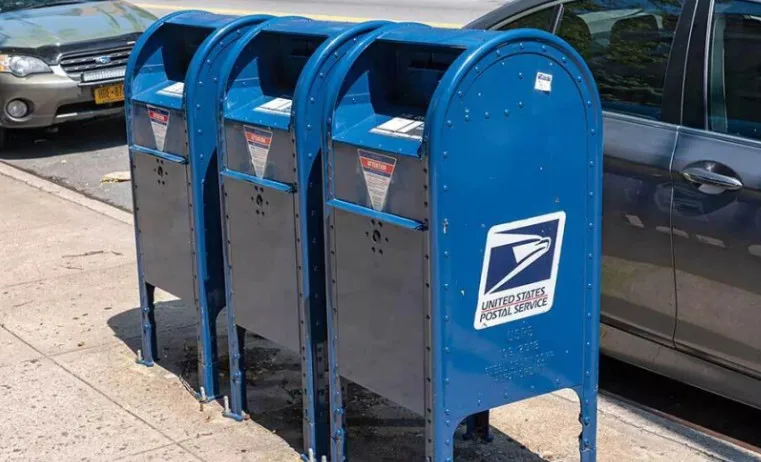
The IRS is undergoing one of its biggest payment‑processing transformations in decades. Under Executive Order 14247, the IRS is beginning to shift payments to electronic methods. Over the years, paper checks have remained as a weak point in the U.S. payment system as they are over 16 times more likely to be lost or stolen than electronic transactions.
To address these risks and modernize government payment systems, the Treasury and IRS began phasing out paper refund checks on September 30, 2025. Limited exceptions will remain for hardship, legal requirements, or situations where no electronic option is available.
What’s Not Changing: Tax Filing Itself
This transition impacts only the way money moves. The process of filing your tax return remains the same. Taxpayers will continue to file using their preferred method: electronically or by paper. The shift only affects payment and refund delivery, not the return process itself.
Paying the IRS: Electronic Options Expand
It’s anticipated that the electronic payments requirement will not occur until 2027 or later. In the meantime, taxpayers may continue making payments via check until the requirement is enacted. While checks and money orders are still accepted for now, the IRS is encouraging taxpayers to switch to electronic payments, which post immediately and generate confirmation receipts.
Recommended options include:
- IRS Direct Pay (allows for free funds transfer from a bank account)
- IRS Online Account (for individuals or businesses)
- Other options listed at https://www.irs.gov/payments
Receiving Your Refund: What to Expect
Direct deposit is set to become the default method for receiving refunds. If you provide valid routing and account numbers on your return, your refund will be delivered electronically. Most refunds issued electronically arrive in under 21 days, whereas mailed checks can take six weeks or longer.
If you don’t provide direct deposit details, your refund may be delayed. Although the IRS has said it will stop issuing tax refunds in the form of paper checks after September 2025, the reality is more nuanced:
- Tax returns without direct deposit information will still be accepted and processed.
- The IRS will send a CP53E notice letter asking for direct deposit information.
- The IRS will resort to issuing a paper check if there is no response within six weeks. The six-week time period aligns with the IRS requirement to pay interest on refunds not issued within 45 days.
How to Prepare Now
- Update your bank information: Make sure your direct deposit routing and account numbers are accurate when you file. If you don’t have a bank account, consider opening a low- or no‑cost bank or credit union account.
- Explore electronic options: Switching to digital methods now will help avoid future delays in both making payments and receiving any refunds. It also will help you to become familiar with the systems that will eventually replace paper checks.
- Keep your contact address up to date: The IRS will continue to mail important notices. By keeping your address current, you can ensure you don’t miss any important IRS communications. All notices will come only by U.S. mail, never by phone or text.
What This Means for Taxpayers
The IRS’s shift to electronic payments marks a major step toward safer, faster, and more reliable tax administration. While paper checks won’t disappear overnight, they will continue to decline as digital options expand.
By following the recommended steps above, you can make sure you receive your refund quickly and your payments reach the IRS securely. If you have questions about the best payment method for your situation, please reach out to your Copeland Buhl tax advisor.